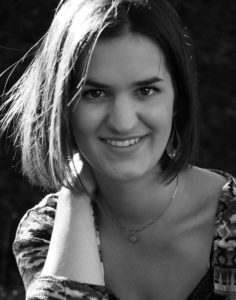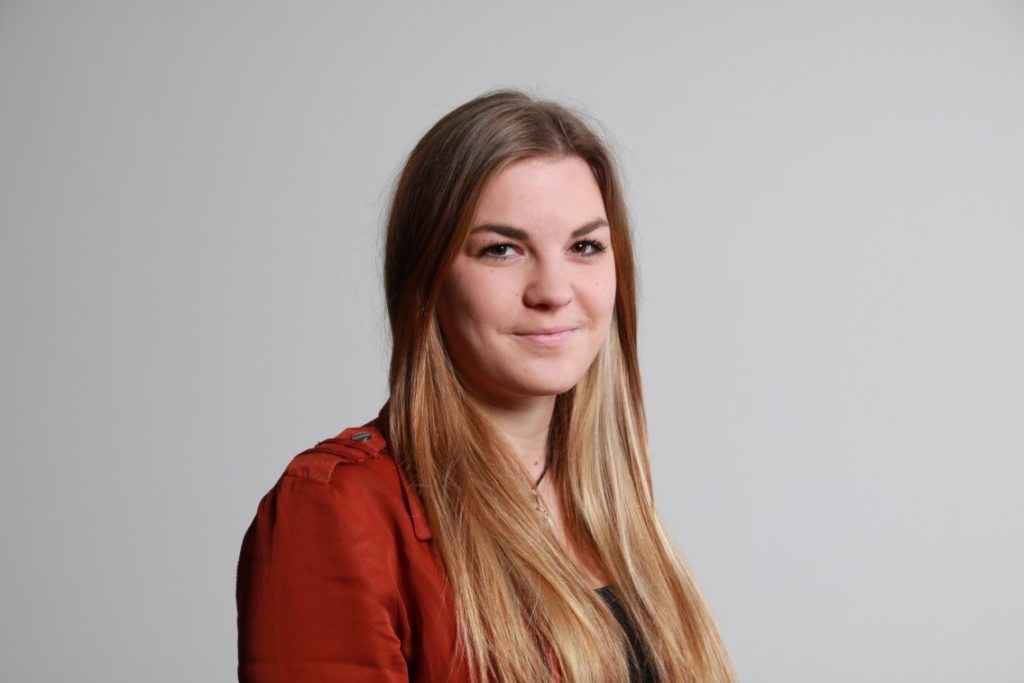

Springschnur, Yogamatte, Musik – das hat Barbara Trattnig auf ihren Reisen immer im Gepäck. Die Gesundheits- und Krankenschwester aus Wien arbeitet bei Ärzte ohne Grenzen als Leiterin der Pflegeaktivitäten. Im Blog berichtet sie von ihrem siebenmonatigen Einsatz in Gambella, Äthiopien. Über ihren Einsatz sagt sie: „Ich habe gelernt, mich über kleine Erfolge zu freuen.“
After a few months of waiting and a few tests of patience, the time had come at the beginning of the year: I landed in Ethiopia - Destination Gambella for seven months. The project had not yet started - so there was a lot to do before we could really get going. Of course, there were also some challenges. But first things first.
After the briefings in Addis, I went to Gambella - my luck was that I arrived at the beginning of the heatwave. So I was able to acclimatize a little, if that's even possible. After the heat comes the rain and the mosquitoes and that means the malaria cases are higher.
The project
The project started in January. I worked in a hospital in Gambella, which is supported by Médecins Sans Frontières. Gambella is located in western Ethiopia on the South Sudanese border. Many refugees from South Sudan live around the hospital and - just like the local population - need medical help. Our previous evaluation showed that the emergency room, surgical department and emergency operating theater in particular need our support. The obstetrics department was also due to start in July. In addition to providing medical care for refugees and locals, another aim of the project was to inform local people about how MSF works and that the organization offers free assistance.
Living situation and team
I was one of the first members of the permanent team to come to Gambella. The living and office situation had not yet been clarified at that time. In the beginning, the current office served as both. Our guest house was then found as a permanent solution. The living situation here is not the same as in my last project in Melut in South Sudan. There was running water, electricity and no containers, but real rooms with fans that moved the air a little.
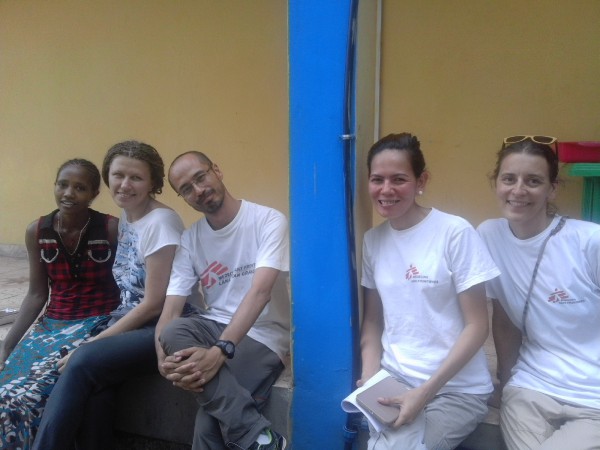
In January, the field coordinator Bruce and I joined the project. Slowly but steadily, more and more employees have joined the team. In addition to the so-called "expats", we also had temporary help from a national team from Addis, particularly in the area of logistics.
Selection and training of personnel
Before we could get started, we needed staff. Posters with vacancies were put up in every conceivable place by our drivers in Gambella. Some jobs were advertised throughout Ethiopia. So I set about checking hundreds of CVs. With the help of our translator, I called all the candidates, invited them to a written test and then to an interview. In the beginning, we recruited the following medical staff: Nurses for the operating room, the emergency room and the surgical department; a supervisor and a helping hand for the pharmacy as well as hospital cleaning staff. We made a conscious effort to guarantee equal treatment of the sexes. It was not so easy to get female staff, but we did our best to have it at least a little balanced. Different countries, different customs: I had already had this experience in South Sudan and so I was not so surprised that more men than women applied.

As we were supporting an existing hospital, we already had medical staff and hired additional ones. Many were not used to working with MSF and were therefore not familiar with the procedures. I tried to transfer as much knowledge as possible. In practical terms, this included special training for cleaning staff on hygiene aspects such as the preparation of solutions. In nursing, basic knowledge had to be refreshed and brought up to date.
My focus at work over the last seven months has been the emergency room and the surgical department. I never really got bored. On the contrary: my days were relatively well planned because I would have been lost without a plan. The fact that this doesn't always work is another story. That's why I had a mental to-do list and always knew what needed to be done. During my time on the project, I learned to be patient and enjoy small successes. One of my biggest successes was definitely that I trained the supervisor for the surgical department so that she can now do everything on her own or with a little support.
Care for patients
Malaria is not so widespread in Ethiopia, but it is in Gambella. There are malaria cases all year round. The peak is from June to December, coinciding with the rainy season. In addition to malaria, there have also been traffic accidents, mostly caused by small transport tuk-tuks. Especially in the mango season, there were falls from trees. We took in many ten to 15-year-olds because they had a fractured femur and needed inpatient treatment and surgery. We also looked after patients with asthma and pneumonia. We also treated various traumas in the emergency department - and in the surgical department if necessary. This gave me the opportunity to follow the care of patients from the very beginning, i.e. from initial treatment to admission to the ward.
Ready for new adventures
In July, we also started supporting the obstetrics department. So we had two new team members: a midwife and a gynecologist. So there was always movement in our team. Coming and going... After seven months, I went home to my loved ones. Now it's time to recharge my batteries and have a good time before I start again and who knows exactly where the road will take me.
Even though it was certainly a strenuous assignment, I learned a lot and wouldn't want to miss this time. During this time, I got to know many new people and expanded my knowledge. After my time out, I'm already looking forward to my next adventure with Doctors Without Borders.
Link tips
Field report from a nurse: Working with Doctors Without Borders in Yemen
This text was published on ngojobs.at with the kind permission of Doctors Without Borders Austria. Further articles by the author Barbara Trattnig and many other reports by Austrian aid workers can be found on the global aid organization's blog .